Understanding Essential Vitamins for Kids: Promoting Optimal Growth and Development
Proper nutrition plays a crucial role in a child’s growth and development. Essential vitamins are an integral part of a well-balanced diet, ensuring that children receive the necessary nutrients for their bodies to function optimally.
In this article, we will explore the importance of essential vitamins for kids and how they contribute to their overall health and well-being.
Vitamin A
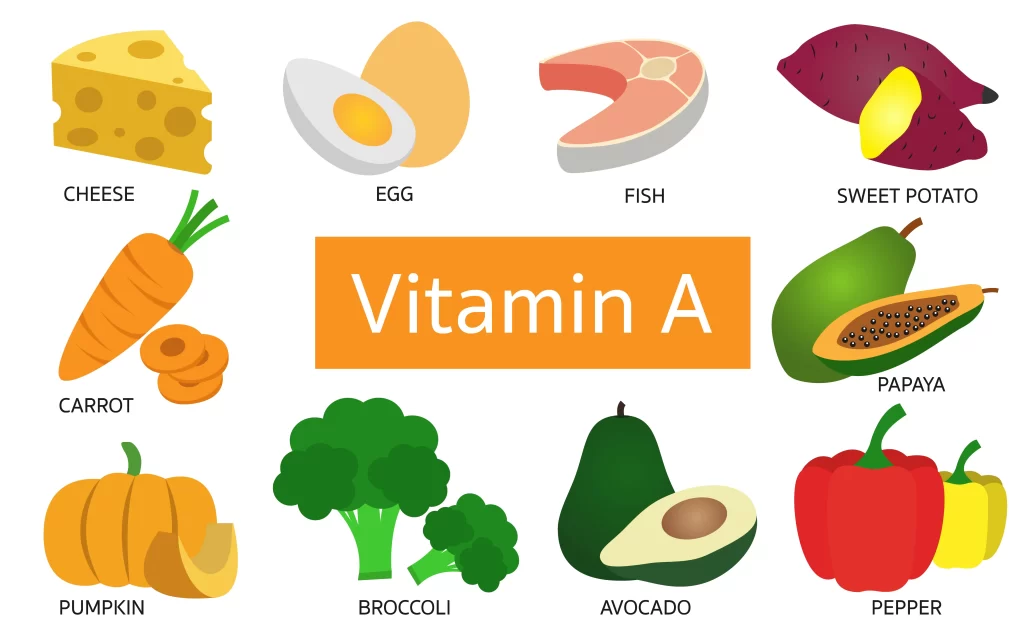
Vitamin A is vital for maintaining healthy vision, boosting the immune system, and promoting cell growth and differentiation.
It helps children develop strong vision, especially in low-light conditions, and supports the health of their skin and mucous membranes, which act as barriers against harmful pathogens.
Foods rich in vitamin A include carrots, sweet potatoes, spinach, and fortified dairy products.
B Vitamins
B vitamins, such as B1 (thiamine), B2 (riboflavin), B3 (niacin), B6 (pyridoxine), B9 (folate), and B12 (cobalamin), are essential for converting food into energy, supporting brain function, and aiding the production of red blood cells.
These vitamins play a crucial role in cognitive development and maintaining a healthy nervous system.
Foods like whole grains, lean meats, eggs, leafy greens, and legumes are excellent sources of B vitamins.
Vitamin C
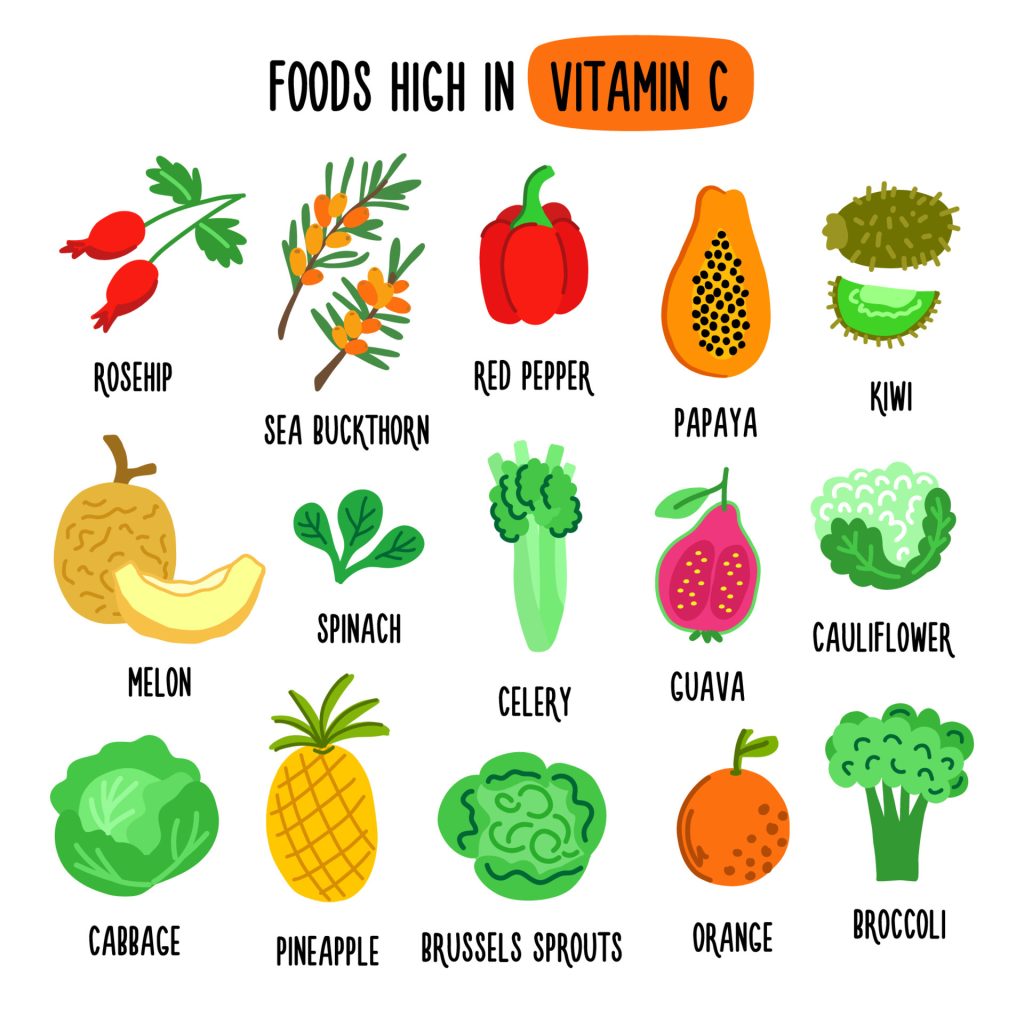
Vitamin C is renowned for its immune-boosting properties and its role in collagen synthesis, which is essential for healthy skin, bones, and connective tissues.
It helps kids fight off infections, recover from illnesses faster, and enhances the body’s ability to absorb iron from plant-based foods. Citrus fruits, strawberries, tomatoes, and bell peppers are rich sources of vitamin C.
Vitamin D
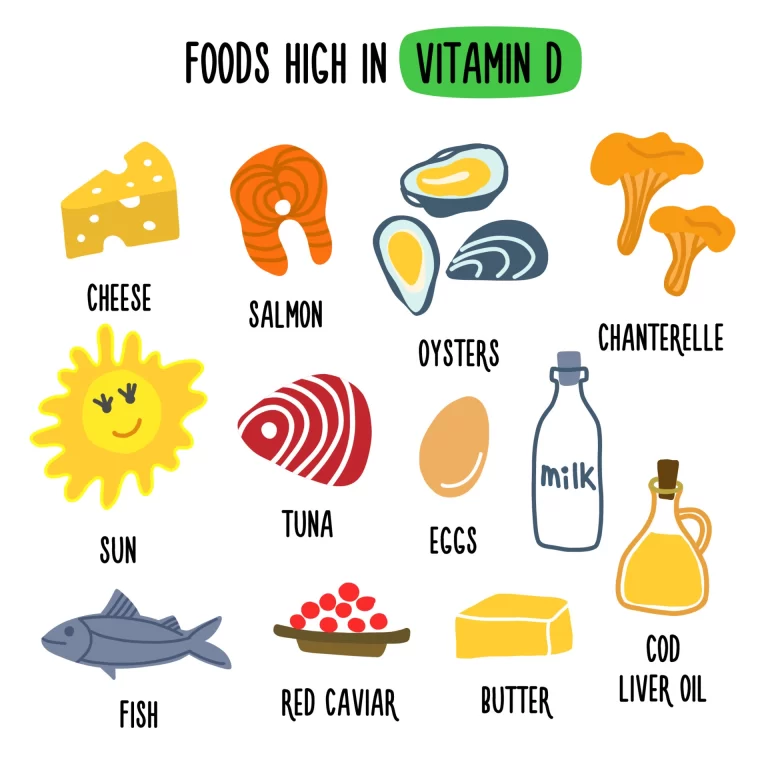
Vitamin D is crucial for calcium absorption, which is necessary for the development of strong bones and teeth.
Exposure to sunlight triggers the synthesis of vitamin D in the skin, but it can also be found in fortified dairy products, fatty fish, and egg yolks.
Ensuring adequate vitamin D intake is especially important for children living in regions with limited sunlight or during the winter months when outdoor activity might be reduced.
Vitamin E
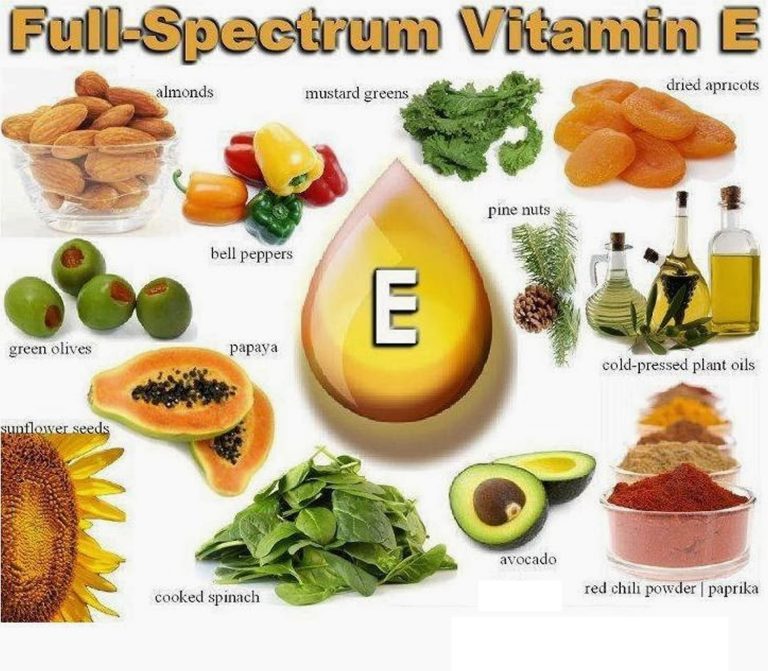
Vitamin E acts as an antioxidant, protecting cells from damage caused by free radicals.
It supports a robust immune system and aids in maintaining healthy skin and eyes.
Nuts, seeds, vegetable oils, and leafy greens are excellent sources of vitamin E.
Vitamin K
Vitamin K is essential for blood clotting, which prevents excessive bleeding after injuries.
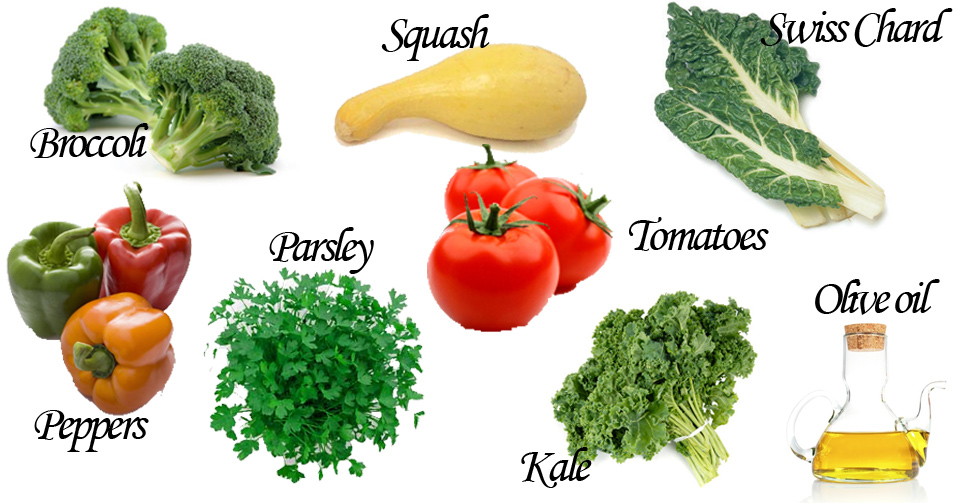
It also contributes to bone health and development. Leafy green vegetables, broccoli, and vegetable oils are rich in vitamin K.
Calcium
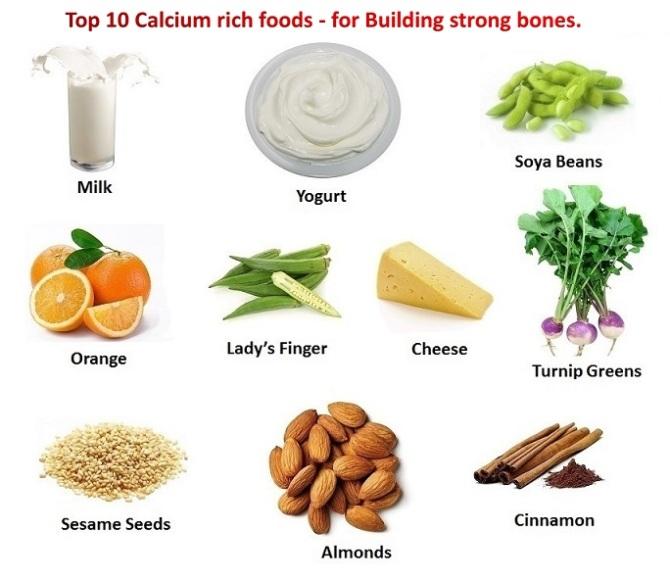
Calcium is a mineral that is crucial for building strong bones and teeth, as well as supporting nerve function and muscle development.
Dairy products like milk, cheese, and yogurt are prominent sources of calcium, but it can also be found in fortified plant-based alternatives.
Iron
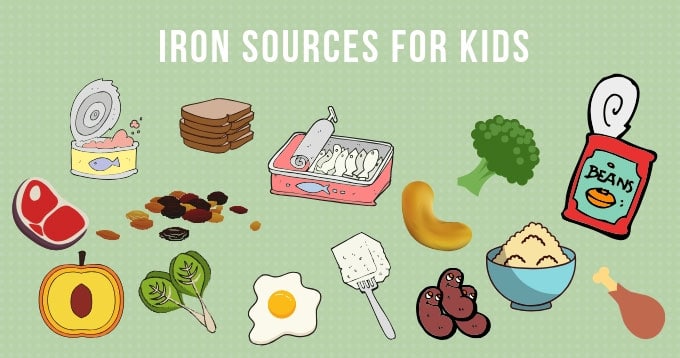
Iron is necessary for the production of hemoglobin, the protein in red blood cells that carries oxygen throughout the body.
Children need iron for proper cognitive development and overall growth.
Iron can be found in red meat, poultry, fish, beans, and fortified cereals.
Understanding the importance of essential vitamins for kids is crucial in providing them with the best foundation for growth and development.
A balanced diet that includes a variety of fruits, vegetables, whole grains, lean proteins, and dairy or suitable alternatives can help ensure children receive the necessary vitamins and minerals for their overall health and well-being.