
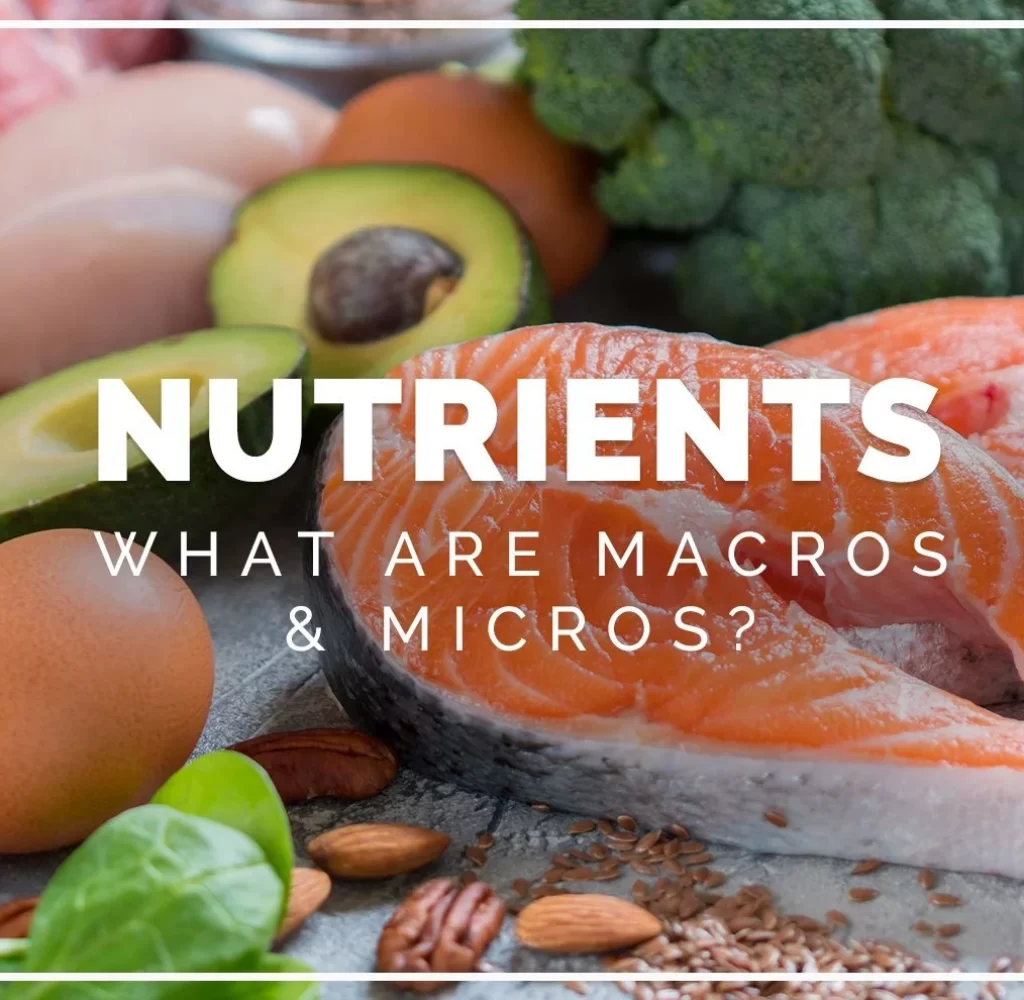
There are two types of nutrients: macronutrients and micronutrients. And the difference is the amounts you need. Macronutrients, like fats, protein, and carbohydrates, are required in large quantities in the diet (grams). Micronutrients—as the name suggests—are needed in smaller amounts (milligrams or micrograms).
Pregnancy changes these amounts somewhat. Carbohydrate requirements during pregnancy increase from about 130 to 175 grams/day and protein needs by about 25 additional grams per day. Most women already meet these requirements. During pregnancy your body needs a little more fat. About 25 percent to 35 percent of your daily calories should come from fat to support a healthy pregnancy. Consuming the right types of fats is also important. The majority of fats should come from monounsaturated (MUFAs) and polyunsaturated (PUFAs) fats.
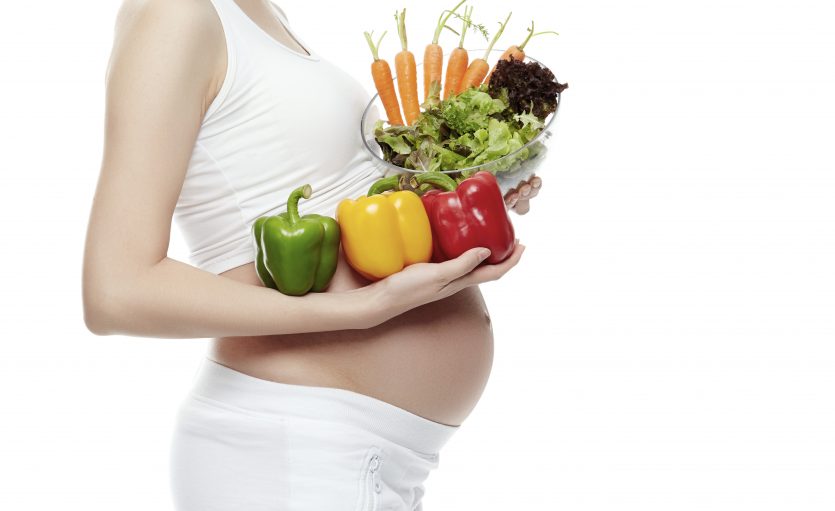
Strive to eat nutrient-rich proteins, complex carbs, and essential fats every day. Include a variety of lean protein sources, whole grains, healthy fats, dairy, vegetables and fruit to help meet the changing nutritional demands of pregnancy. The nutritional needs of a developing baby will take priority over the needs of the mom-to-be, so it’s important to eat well.
While all nutrients are important to support a healthy pregnancy, certain vitamins and minerals (micronutrients) play a particularly important role during the development of an infant. Here’s a list of these micronutrients, how they impact pregnancy, and foods to eat:
Very few foods naturally provide vitamin D. Fatty fish and egg yolks are natural food sources. Other sources include fortified foods such as dairy products, ready-to -eat breakfast cereals, or dietary supplements.
Rich sources of calcium include dairy products- milk, cheese and yogurt. Other good sources include fortified foods and drinks, such as breakfast cereals and orange juice, and soy beverages. Canned sardines and salmon packed in oil with bones, Chinese cabbage, kale, and turnip greens are also sources of calcium.
Vitamin B12 is vital for producing red blood cells, genetic materials, healthy neurological function and DNA synthesis. Deficiencies during pregnancy may cause neurological damage in the baby. A deficiency of B12 at the beginning of, and during pregnancy, could increase risk of certain birth defects, neurological impairment, and contribute to preterm birth.
The best food sources include animal products such as fish, meat, poultry, eggs, milk, and milk products, and fortified foods like breakfast cereals. Plant foods are not a good source of vitamin B12.
Folic acid or folate, plays an essential role in synthesizing DNA in cells and for manufacturing neurotransmitters. It is very important during early pregnancy because of its essential role in the healthy development of baby’s neural tube. The tube becomes a baby’s brain and spinal cord. The neural tube is formed early during the first month of pregnancy, often before any noticeable signs of pregnancy. Consuming adequate folic acid before and early in a pregnancy as part of a healthful diet may reduce a woman’s risk of having a child with spina bifida and anencephaly.
The best natural food sources of folate include vegetables (asparagus, broccoli, Brussels sprouts), legumes, nuts, and seeds. Folic acid is also found in multivitamin supplements.
Deficiencies of folic acid and vitamin B 12 should be avoided by all women of childbearing age by supplementing with these important B vitamins, especially before becoming pregnant.
Good food sources of choline include meat, poultry, fish, dairy products, and eggs. Also cruciferous vegetables, soy beans, kidney beans, whole grains, nuts, and seeds. Choline is typically included in combination with B-complex vitamins in most multivitamin supplements.
Not only is iron critical for the appropriate neurodevelopment during fetalhood, it is also important after birth during early childhood development. Adequate iron intake during pregnancy may help support a healthy birth as well as a safe and normal delivery and post-delivery health of both mother and child.
The best food sources include fortified breakfast cereals, meat, seafood, white beans, lentils, and spinach.
Best food sources include oysters and other seafood, red meat, and poultry. Other good food sources include fortified breakfast cereals, beans, nuts, whole grains, and dairy.
Good food sources include: green leafy vegetables, legumes, avocado, nuts, seeds, whole grains, and fortified breakfast cereals.
Good food sources include: seafood, seaweed, dairy products, eggs, grains, poultry, and baked potato with the skin.
Good food sources include: vegetable oils, fatty fish, olives, avocado, nuts, and seeds.
Both macros and micros are very important to build a healthy baby and support the health of the mom-to-be. The foods eaten during pregnancy are important, so choose wisely. And don’t forget the importance of a prenatal vitamin/mineral supplement to cover any dietary vitamin or mineral shortfall.

Pregnancy is a critical time in human development. And nutrition is a vital component of a healthy pregnancy and outcome. A baby cannot develop into a healthy, thriving human without the proper building materials to support healthy development. Diet and lifestyle habits impact all stages, starting with your future fertility. They help determine your child’s nutritional health and birth weight. And your diet and lifestyle provide a model for children’s future eating habits from fetalhood, childhood and into adulthood.
Proper prenatal care has many facets. It starts with adopting a healthy well-balanced eating plan, which includes a quality vitamin/mineral supplement before and during pregnancy. And that’s combined with a healthy overall lifestyle. Taking these steps is one of the greatest gifts you can give to your future kids.